How many notes does it take to make you nervous?
If you’re thinking of Jaws, probably two.
Before you see the shark, the music gives you a reason to worry. A repeating pattern of notes becomes the sound of something getting closer, and suddenly the ocean feels like somewhere you’d rather not be.
But how does that happen? What makes music sound scary?
Composers can keep us on edge through repetition, sounds that won’t quite settle, or a pause that leaves us waiting. Much of the suspense comes from expectation: we get a feeling for what might happen next, and the music makes us wonder whether—or when—it will.
Once you start hearing those choices, familiar music gives you something new to notice. Let’s take a closer listen.
The Role of Expectation
Part of what makes the Jaws theme effective is that it gives us a pattern to follow. Once those two notes begin repeating, we’re listening for their return. As the pattern gathers speed, it can feel as though whatever is approaching is getting closer.
That sense of anticipation is useful to a composer. A musical phrase can seem almost finished, only to continue without the arrival we were expecting. A steady pulse can stop, leaving a gap where we thought the next beat would be. We’ve started following something, and a change gives us a reason to pay closer attention.
Our experience with music helps shape those expectations, too. If you’ve watched enough thrillers, you may have learned to be suspicious when a quiet scene is accompanied by a low, sustained sound. Nothing on screen has changed, but the soundtrack has suggested a possibility you’re now waiting to see confirmed.
Why Some Notes Keep Us Waiting
Sometimes you can hear that a piece of music hasn’t finished, even if you have no idea what the final chord should be. Stopping there would feel incomplete. Composers can prolong that feeling by moving through harmonies that seem to need somewhere else to go.
You’ll often hear the word dissonance in discussions of frightening music. It describes combinations of notes that create a sense of tension, sometimes with an audible roughness, as though the sounds are rubbing against one another. In an unsettling passage, that friction can linger while the music offers very little relief.
But dissonance is also part of music we find beautiful, and a tense chord can lead to a particularly satisfying arrival. Its effect depends on what surrounds it and how long we’re kept waiting. The same is true of minor keys: they can contribute to a dark atmosphere, but they also appear in music that feels tender, reflective, or full of energy.
For a more mischievous example, listen to the opening of Camille Saint-Saëns’ Danse macabre. After the harp quietly marks twelve strokes of midnight, the solo violin enters with two notes that clash. That uneasy sound introduces a dance in which the violin takes the role of Death. There’s something deliberately off about it—and that’s part of the fun.
When Familiar Instruments Sound Unfamiliar
The violin in Danse macabre is a good reminder of how much an instrument’s character can change. We often associate strings with a warm, singing sound, but that same section of the orchestra can become thin, restless, or piercing. The notes matter, and so does the way they’re played.
Musicians call the character of a sound its timbre, or tone color. You already recognize these differences when you distinguish someone’s voice on the phone. In an orchestra, the choice of instrument, how high or low it plays, and the way a player produces each sound give a composer a wide range of colors to work with. A low passage might suggest something distant and heavy, while a high, wavering sound can be difficult to ignore.
Bernard Herrmann made extraordinary use of that range in his score for Psycho, written entirely for strings. Listen to the sharp, repeated attacks in the famous shower-scene music. The players produce a sound closer to a shriek than the smooth string melody you might expect. Even without the film, the abrupt entrances and rough edges give the passage an urgency that a warmer, more flowing performance would change completely.
Rhythm, Silence, and Sudden Change
The repeating notes in Jaws would have a different effect if they stayed at the same pace and volume throughout. As the pattern quickens and grows louder, the music gives us a sense of increasing urgency. We’re still following the same idea, but it seems to be gaining on us.
A regular pulse also makes an interruption noticeable. When the next beat fails to arrive, we may find ourselves listening into the gap. A composer can hold that silence long enough to make the return of sound uncertain, particularly if the passage before it has given us reason to expect something unpleasant.
A sudden burst of sound can then catch us off guard. The contrast matters: a sharp entrance after a quiet passage can feel startling in a way that another loud moment in an already noisy section might not. It’s a familiar device in film, but hearing it from an orchestra makes the mechanics visible. You can watch the players waiting through the pause, ready to enter together, and still jump when they do.
Why We Enjoy the Suspense
Knowing what’s coming doesn’t always spoil the pleasure. You might know exactly when a soundtrack is going to erupt and still find yourself waiting for it, enjoying the buildup as much as the moment itself. Returning to a favorite piece gives you a chance to follow how it gets there.
In a concert hall, that anticipation is shared. The musicians hold a quiet passage, the conductor prepares an entrance, and you’re waiting along with everyone around you. When the sound finally arrives, you might jump, smile, or exchange a look with the person beside you.
For some listeners, that’s part of the appeal: the chance to experience something unsettling in a setting where they can enjoy the sensation. Others may be more interested in how the composer created it. A passage that once seemed simply frightening can become a favorite because of the strange violin sound, the persistent rhythm, or the pause you keep listening for.
Listening to a Live Orchestra
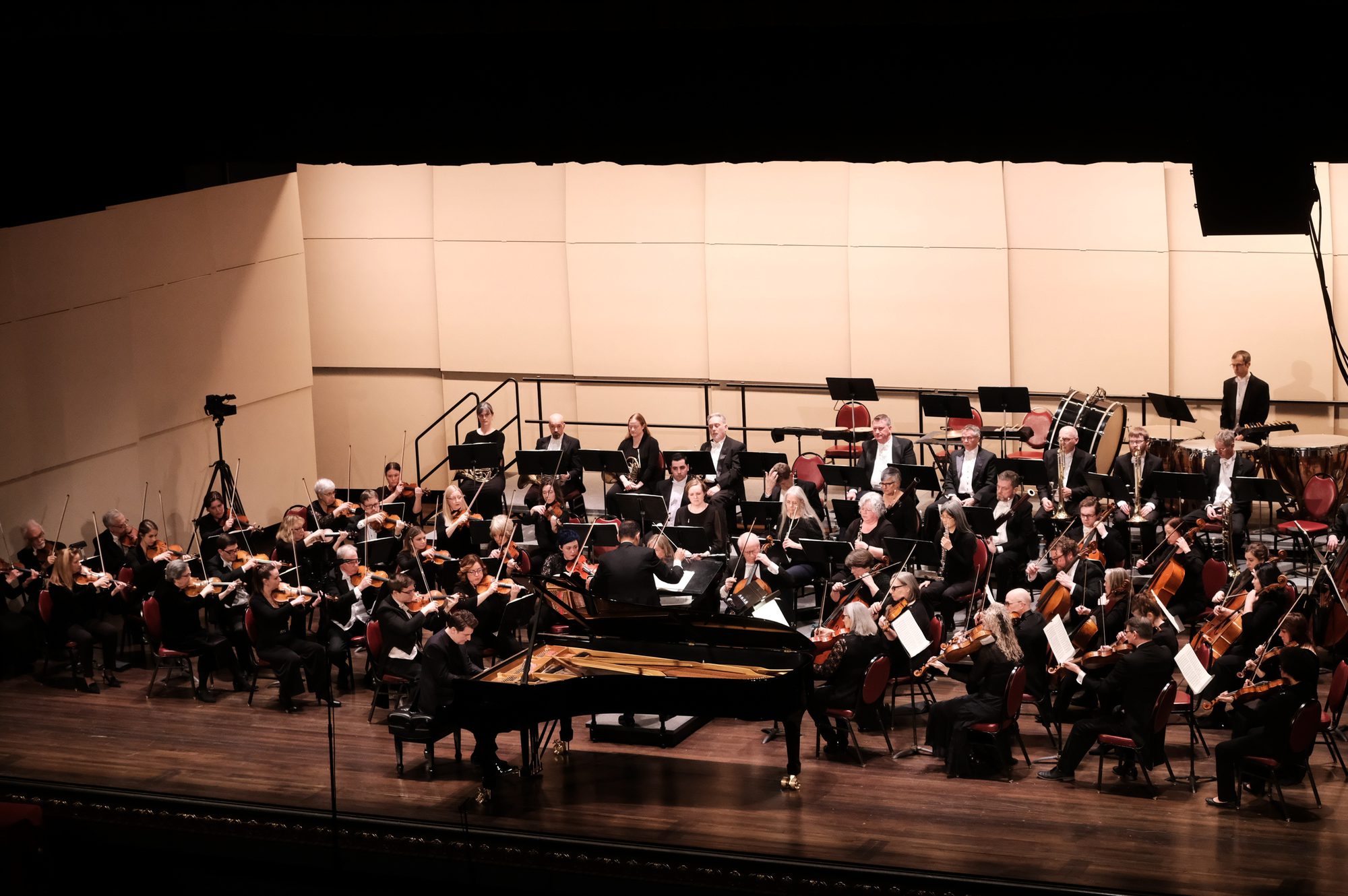
In a film, the soundtrack helps direct your attention toward the story on screen. At an orchestral concert, you can watch the sound being made: the movement of the bows, an exchange between sections, or a percussionist waiting through several quiet measures for a single entrance.
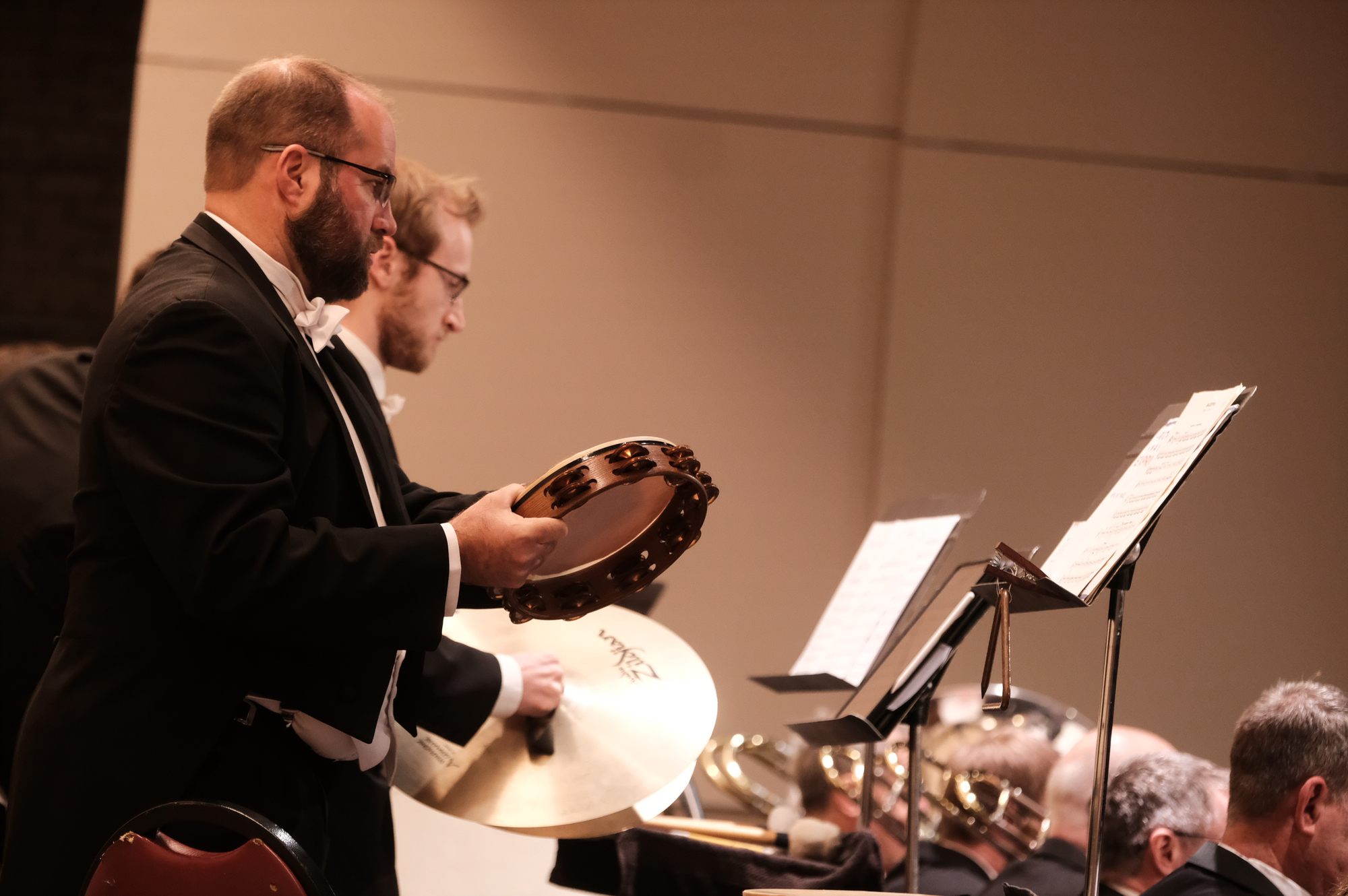
That can change what you notice. A sound you couldn’t identify in a recording suddenly has a visible source. You might catch a small musical figure passing from one instrument to another, changing character along the way.
It also gives you something to compare afterward. The passage that held your attention might be entirely different from the one someone else remembers. If you bring the kids, ask what they heard. They may have been following something you missed.